


 Stock
Stock- (+34) 642787555
- info@paulownia.pro
-
Mon–Fri: 9:00-18:00
Paulownia Proxy2® – Pot 3.6 L
Proxy2®












 Stock
StockIn stock
 SKU
SKUPRX2-3.6L
Min. Mainland Spain & Portugal
2 pcs.
Min. EU
4 pcs.
Min. INTERNATIONAL (Outside the EU)
500 pcs.
Variety and format
species / hybrid
Proxy2®


Select quantity
 8.50€ - 9.50€
 Minimum order: 2 pcs.
Format
Pot
Pot
3.6 Liters
Species / Hybrid
Proxy2®
Age
6 months
Adult height
18–21 m
Wind resistance
Moderate
Growth rate
10/10 Ultra-fast
Temperature resistance
–18 °C to +50 °C
Delivery season
Spring – Summer
Delivery months
April – July
 Description
Paulownia Proxy2®
Format
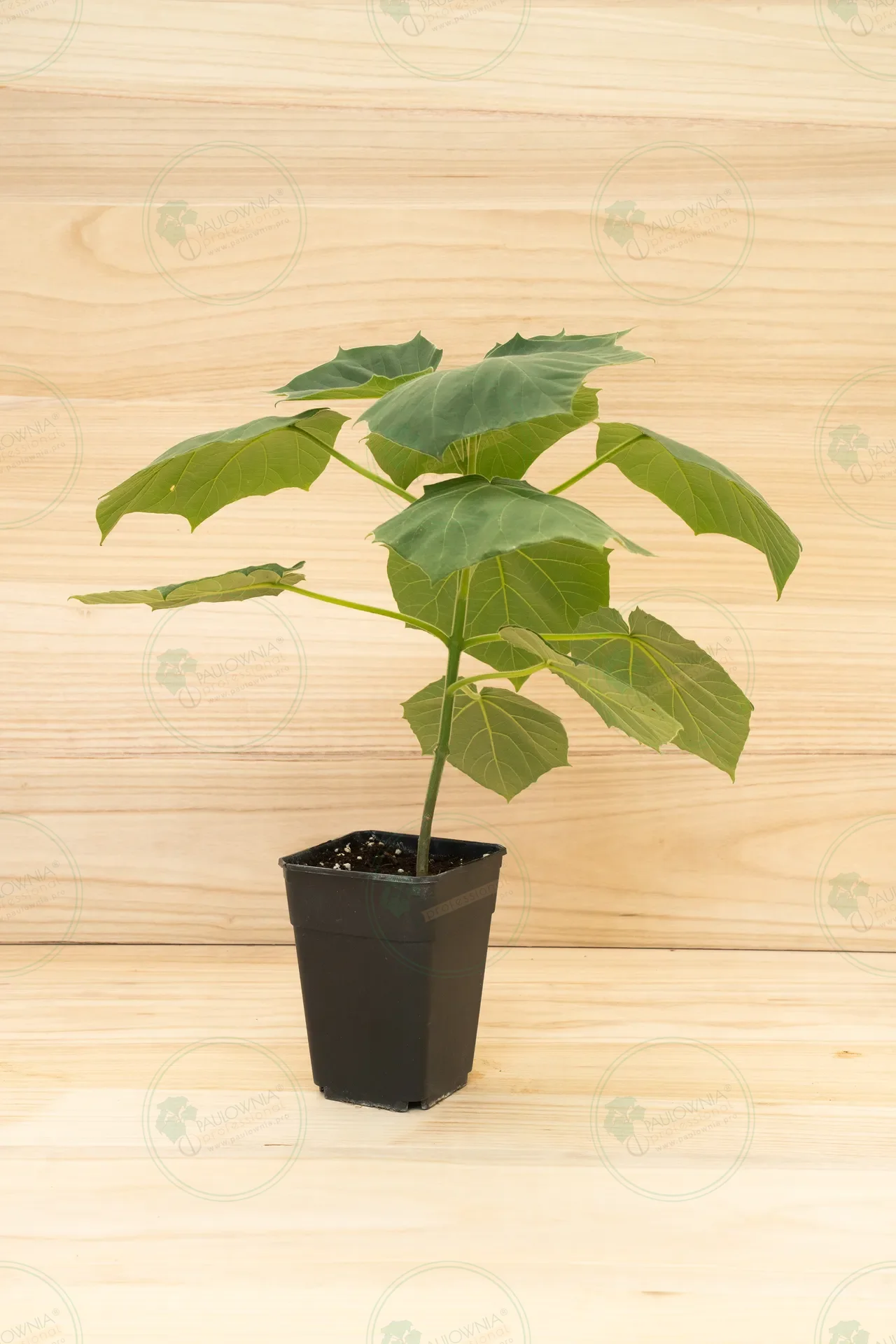
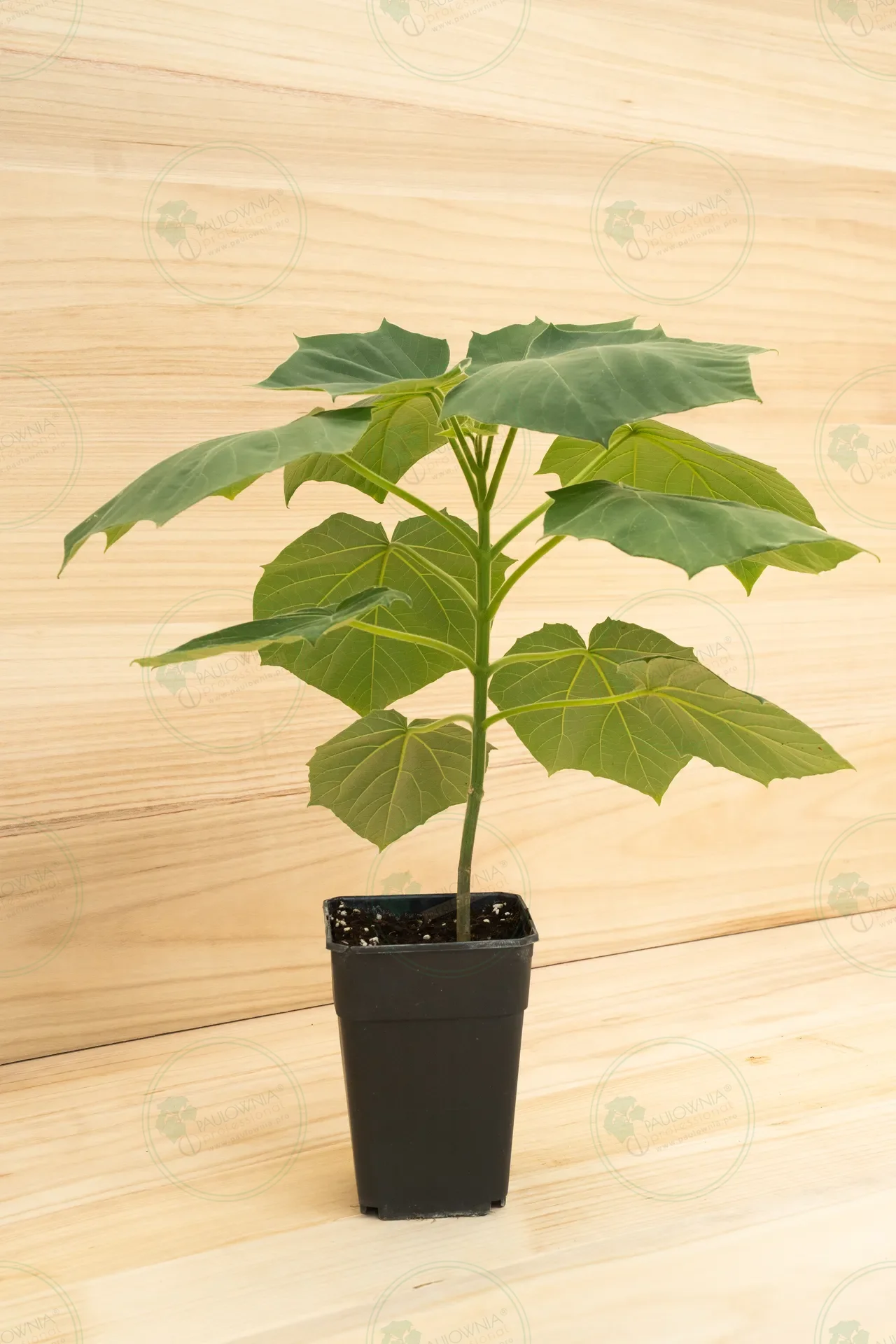
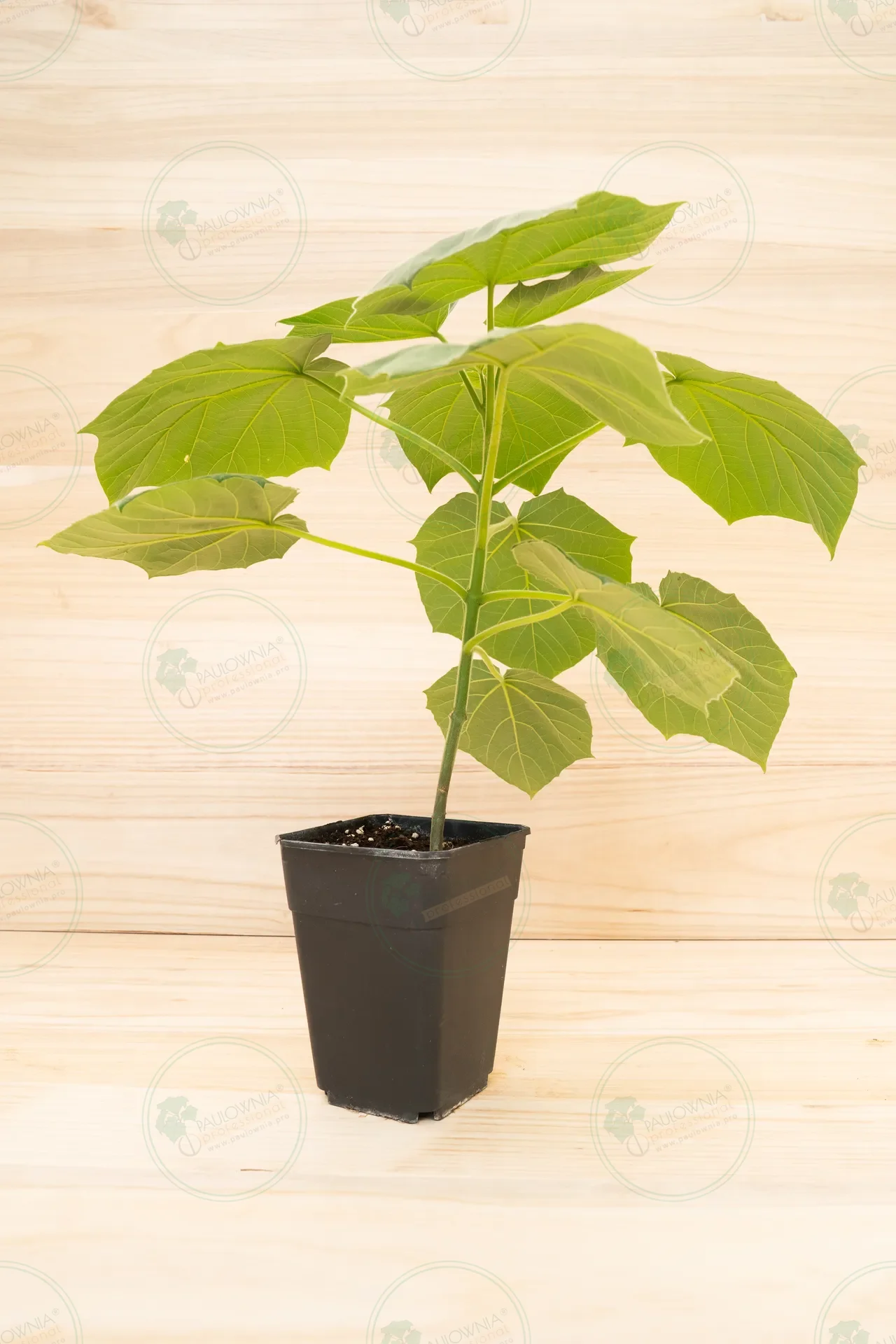
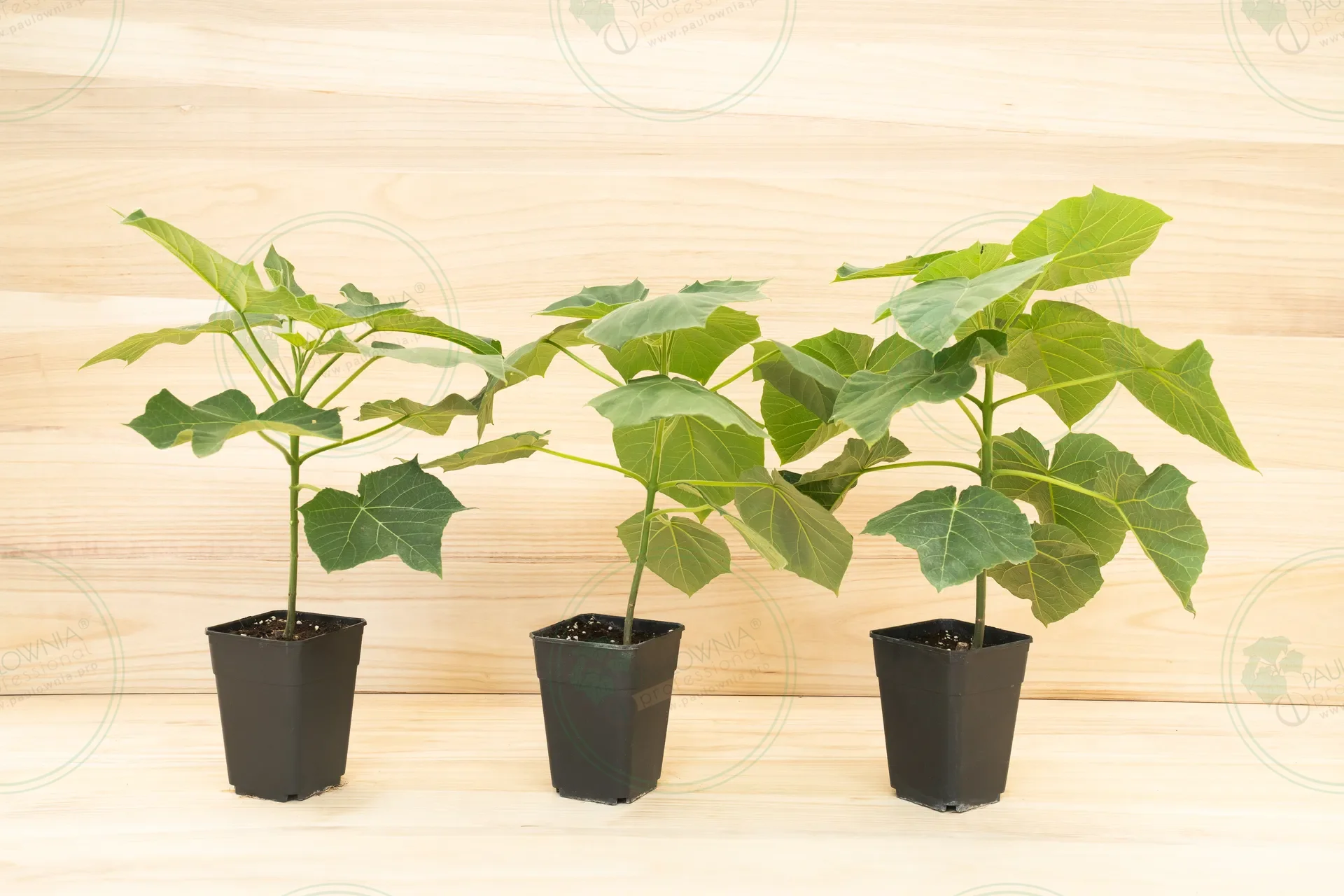
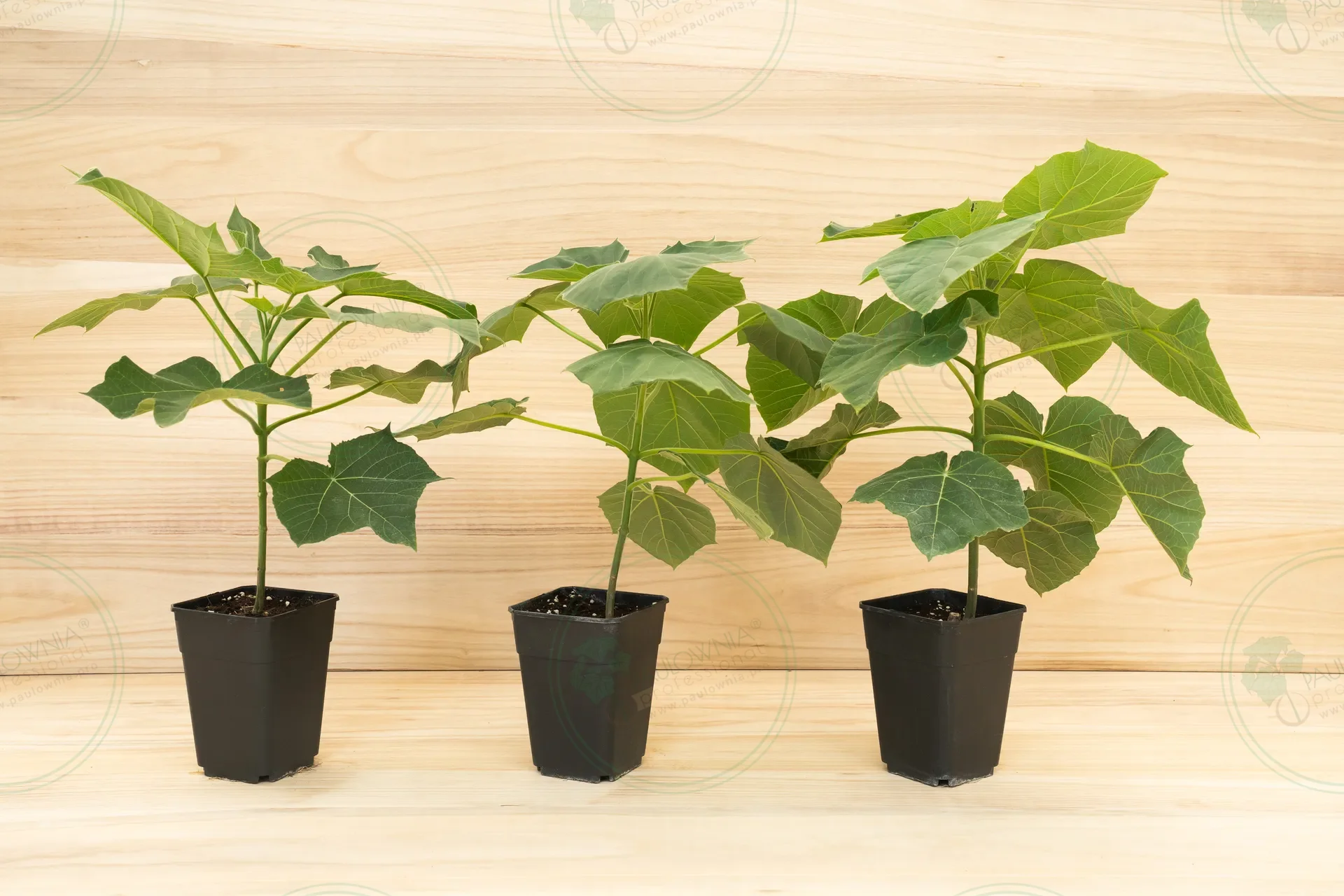
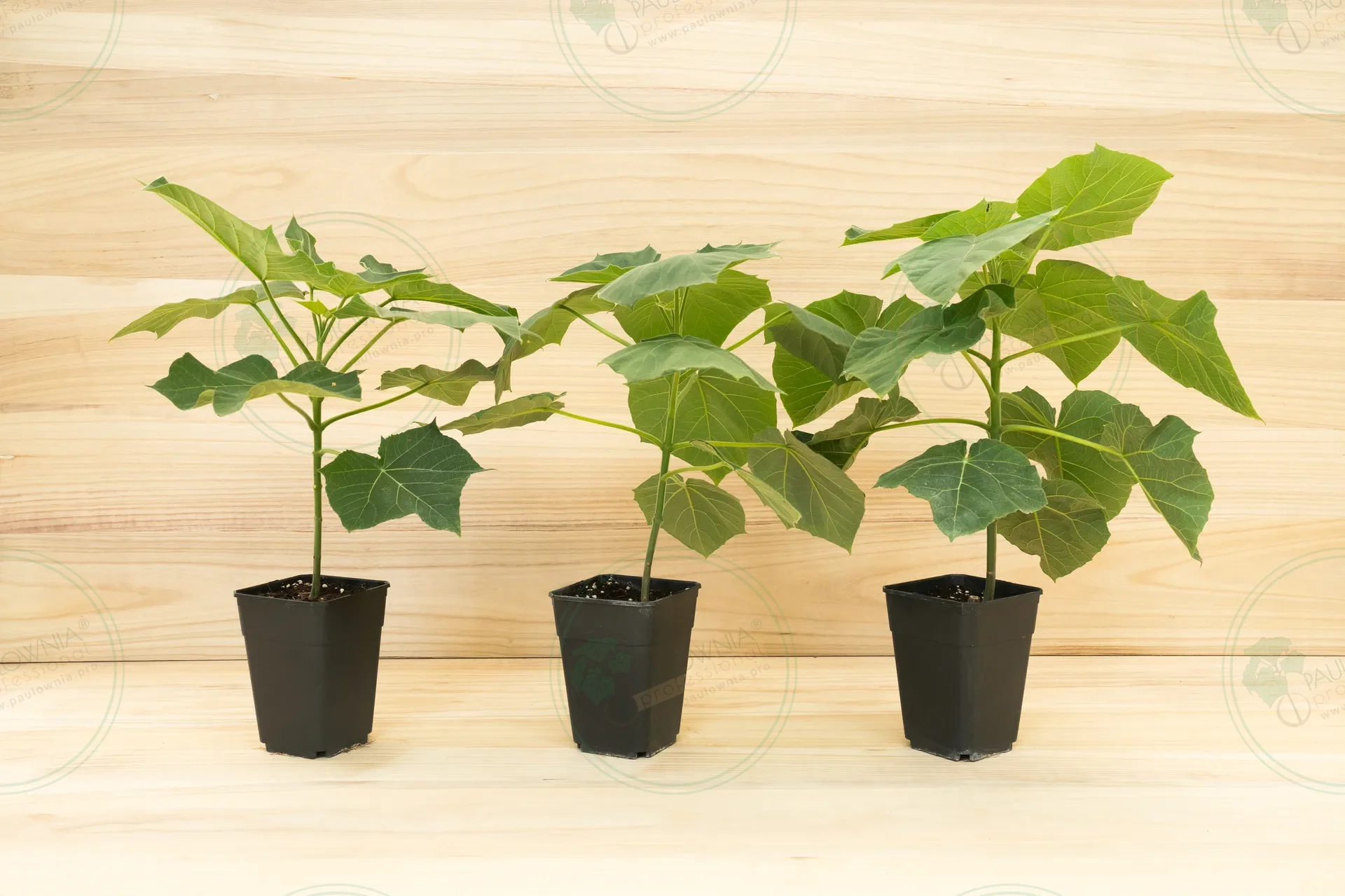
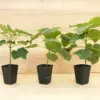
Green potted plant 3.6 LitersPaulownia Proxy2® – Pot 3.6 L is a green plant in a 3.6 L container, with developed root ball, substrate reserve and more formed plant structure. It is an advanced hybrid P. Fortunei × P. Elongata.
Format and Supply
Supplied in an individual 3.6 L pot, with protected roots and a more advanced plant. The purpose of the format is to protect the roots during transport and support orderly planting, with clear, identifiable and manageable plant material from delivery.
Variety and Application
Proxy2® is an advanced hybrid: balanced line in vigour, adaptation and plant structure, designed for reliable professional cultivation. Suitable for light timber, biomass, carbon projects, technical reforestation and plantations where performance and adaptability must work together.
Main Use
light timber, biomass, professional plantations, CO2 capture projects, agronomic trials and technical Paulownia cultivation. Format choice depends on project size, transport distance, planting season and the development level required on delivery.
Climate and Site
Suitable for temperate, mild Atlantic, Mediterranean and coastal areas with moderate humidity. It can be used in Portugal, the French Atlantic coast, northern and eastern Spain, coastal Italy, Croatia, Slovenia, Greece, coastal Balkan areas and temperate zones where irrigation and wind exposure are controlled.
Flowering and Ornamental Value
Abundant flowering in purple and pale tones, interesting for bees and pollinators. It adds melliferous value while keeping a productive profile.
Expected Result
With prepared soil, support irrigation and correct early management, it allows the establishment of a vigorous, well-rooted Paulownia aligned with the real project objective.
Certifications and registrations
European CPVO registration
№ 2025/2000
Brand patent
M4092410
MINAGRO registration
№ 23649003
MINAGRO plant variety patent
№ 240157
 Characteristics
Species / Hybrid
Proxy2®
Hybrid
P. Fortunei × P. Elongata
Height
Measures between 18 and 21 metres at the adult stage
Root system
Deep and anchor-shaped
Trunk diameter
45–60 cm
Stem
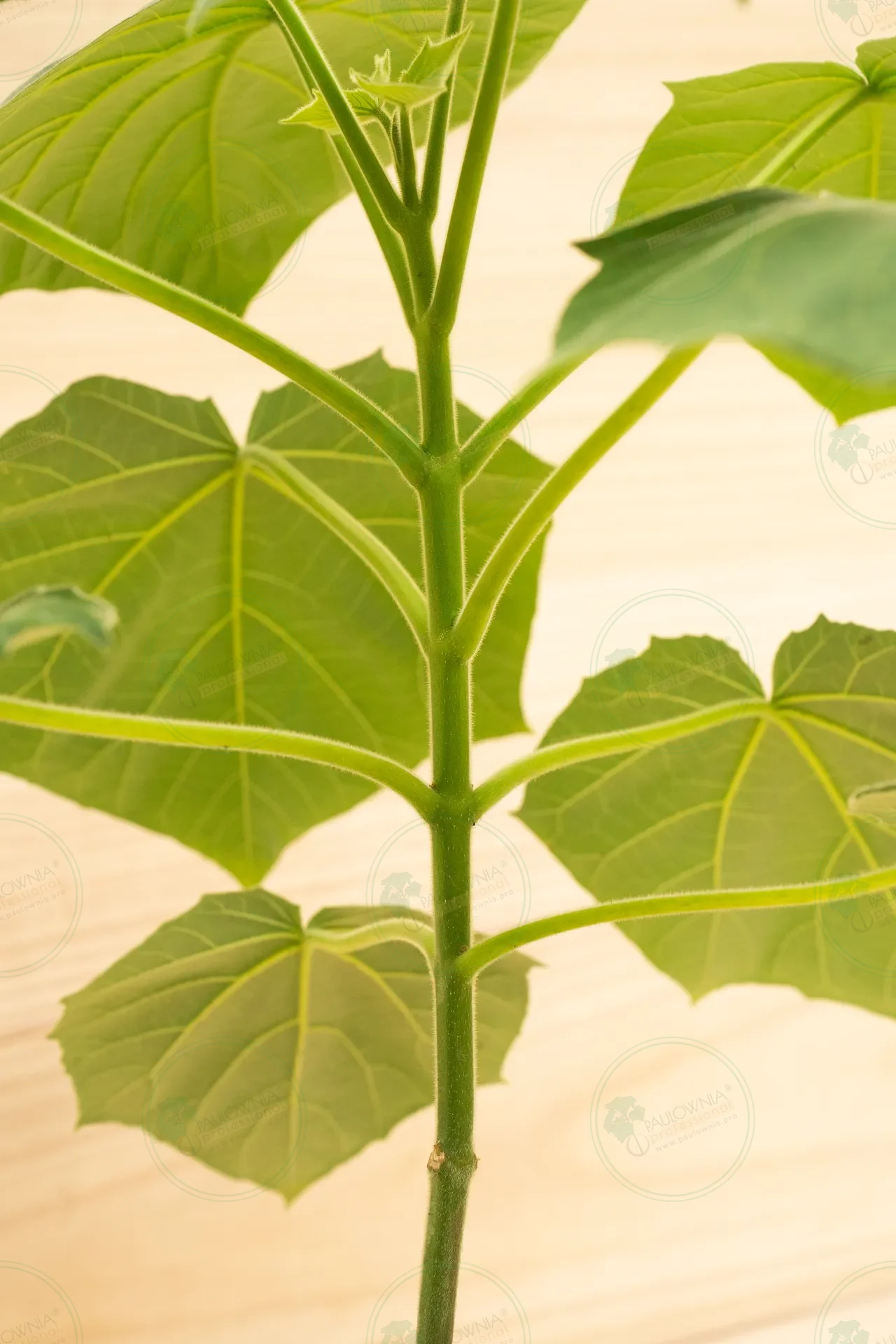
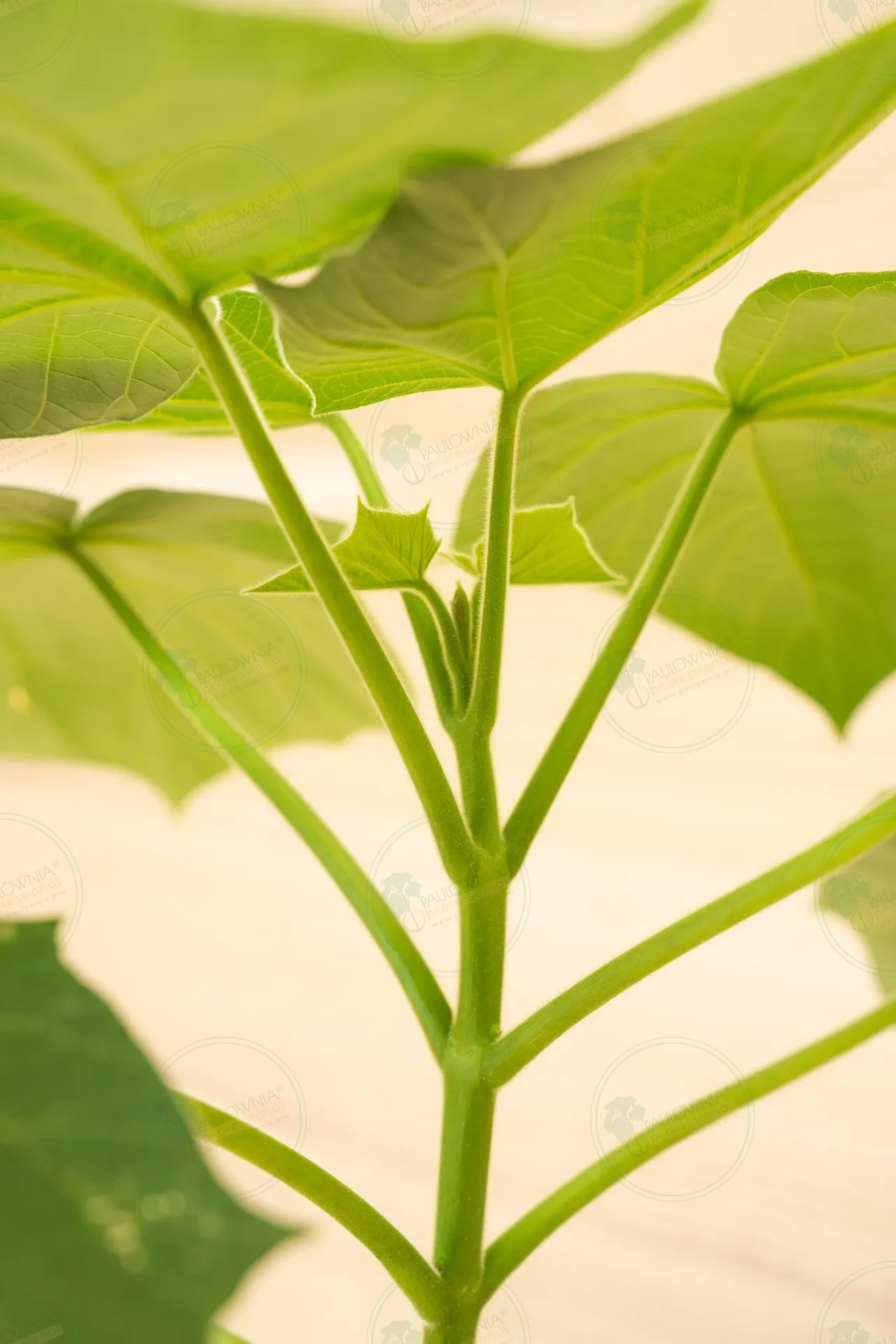
Firm, well-formed and stable.
Water requirement
Abundant but controlled
Crown / flowering
Broad, pyramidal and dense
Foliage
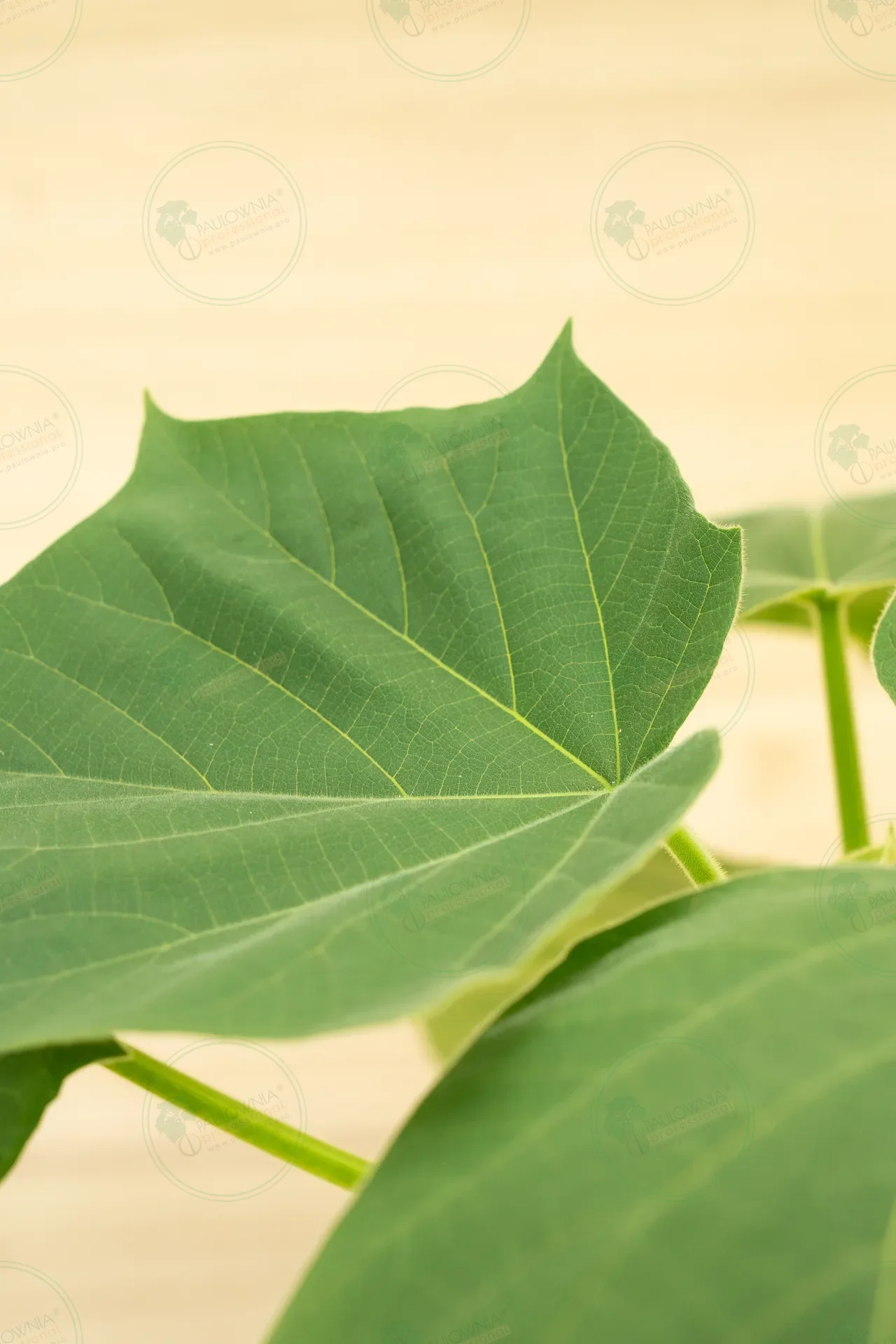
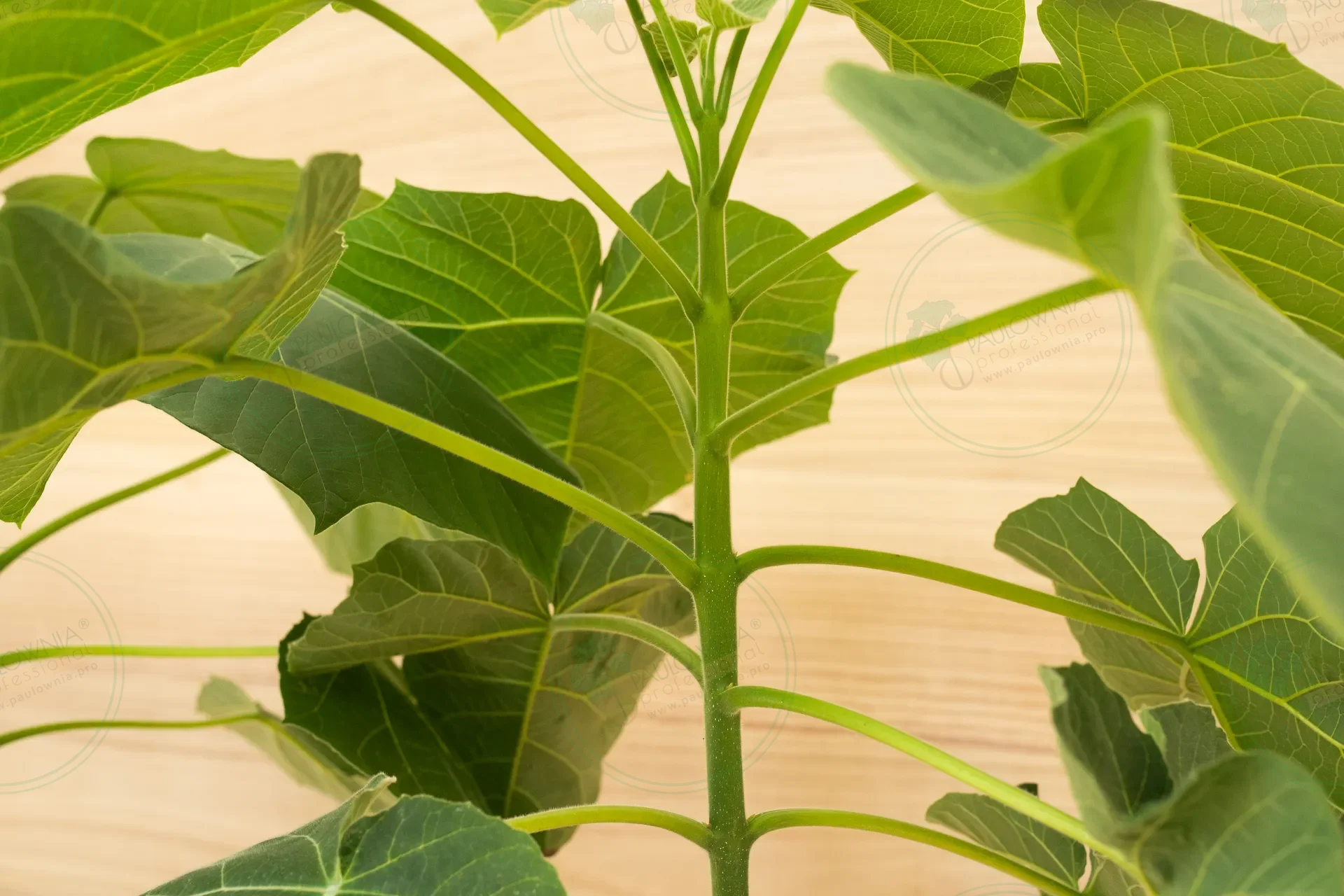
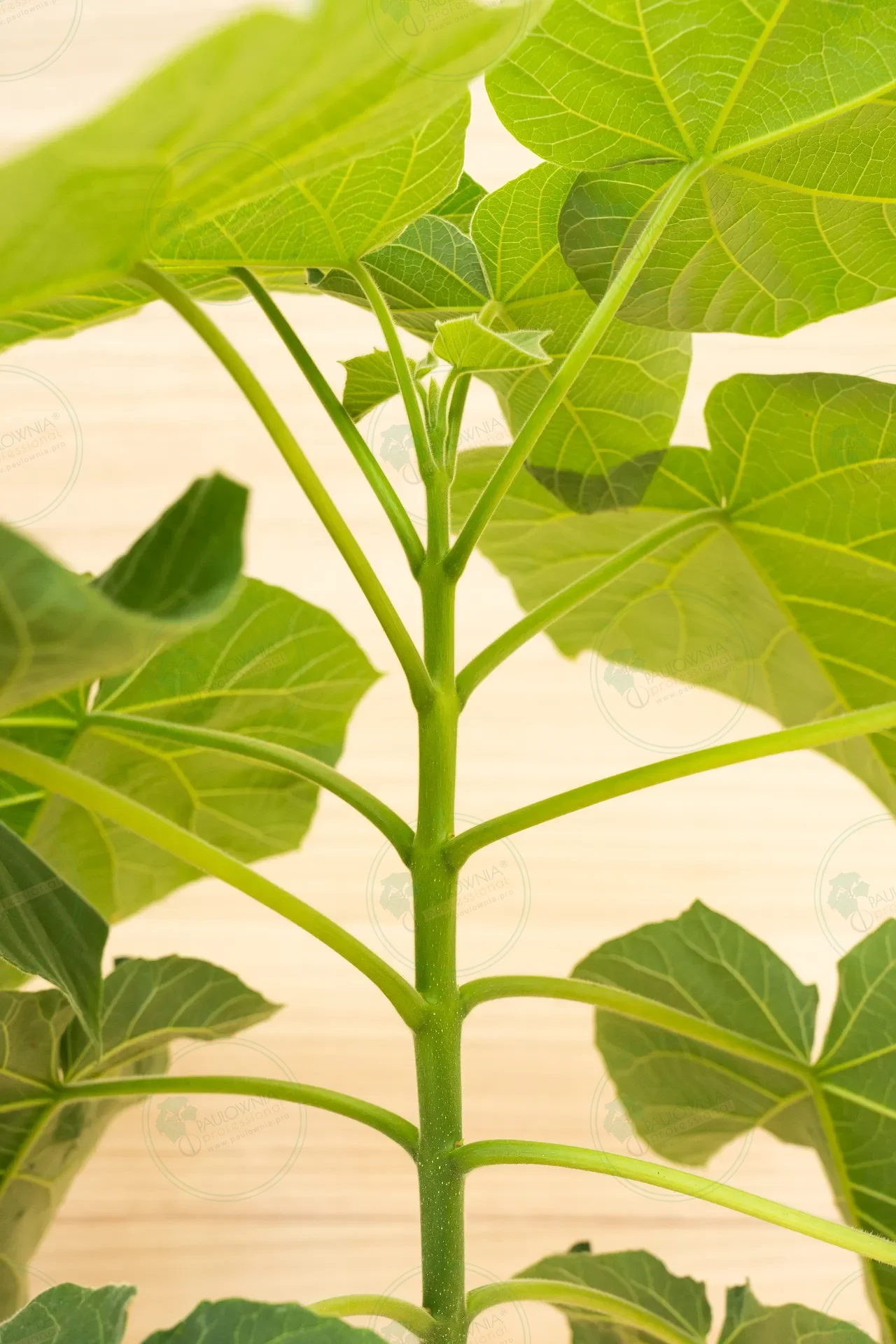
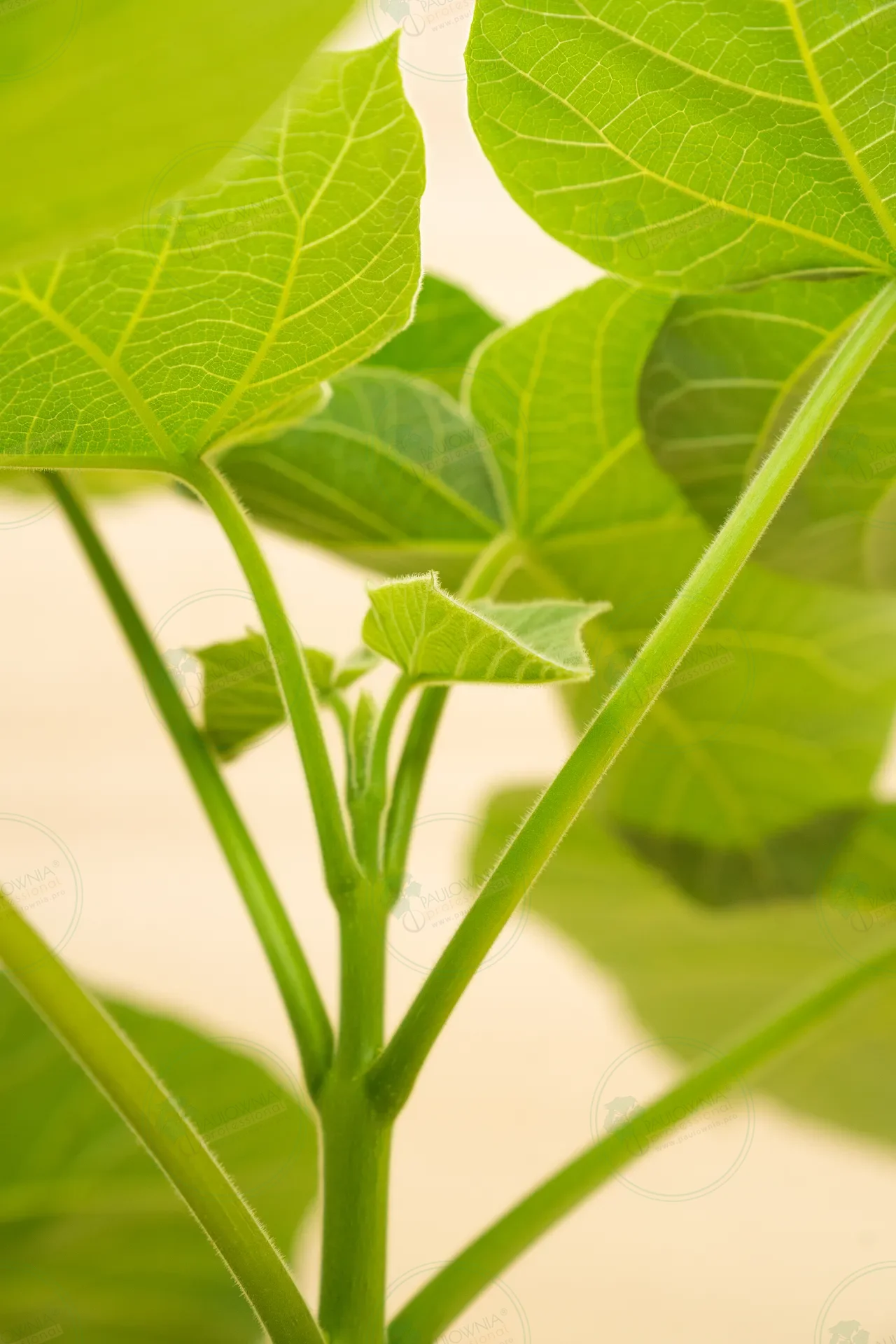
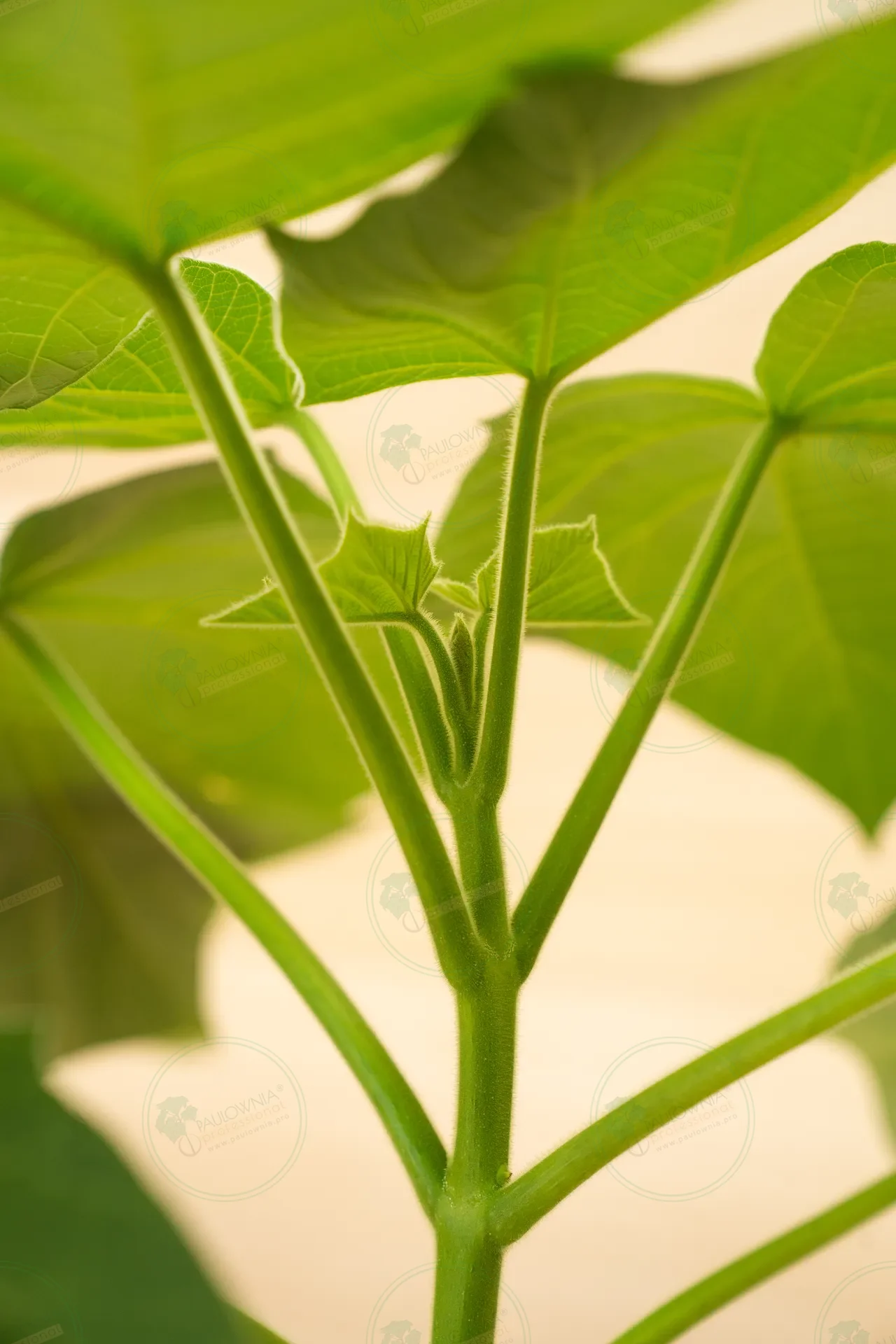
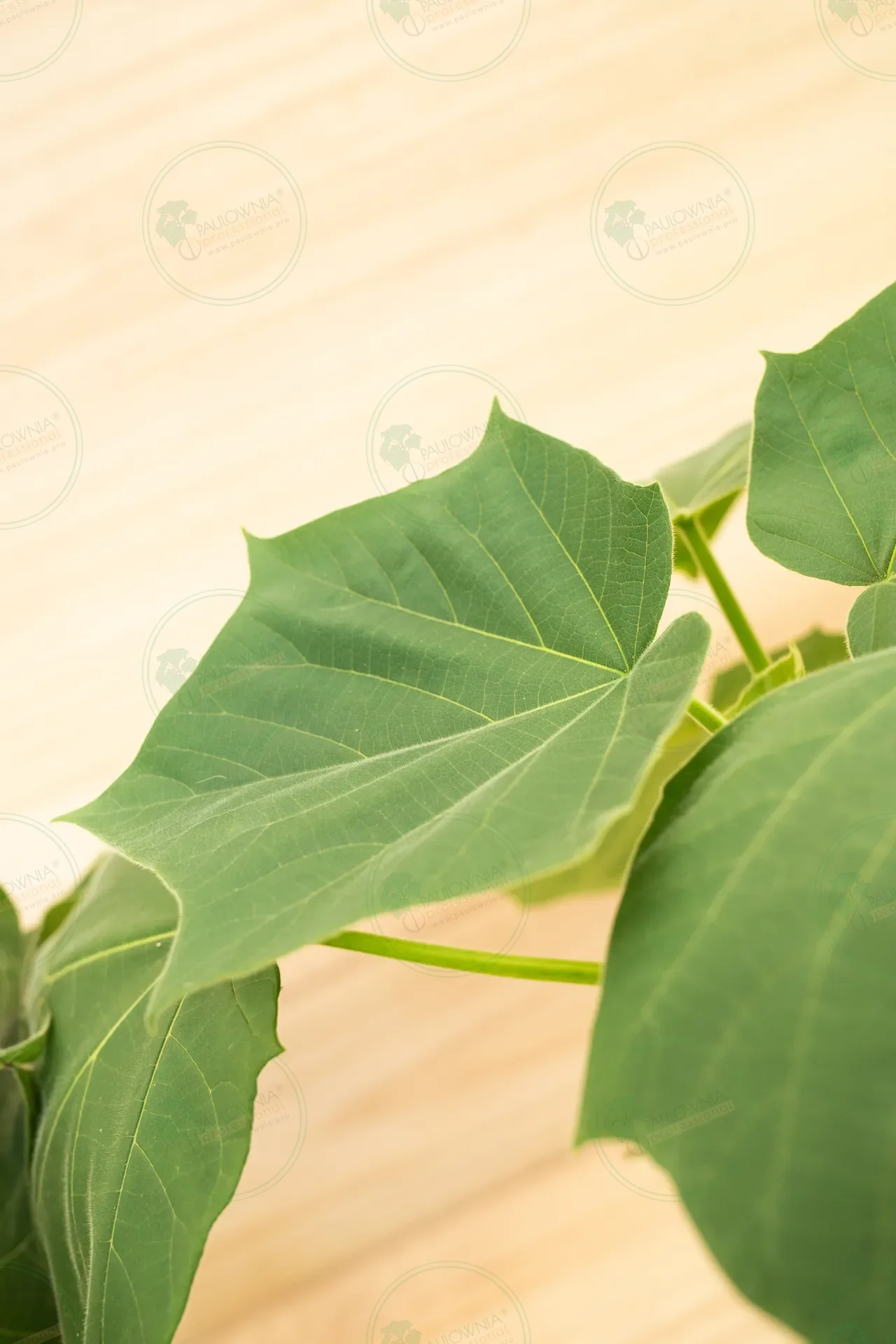
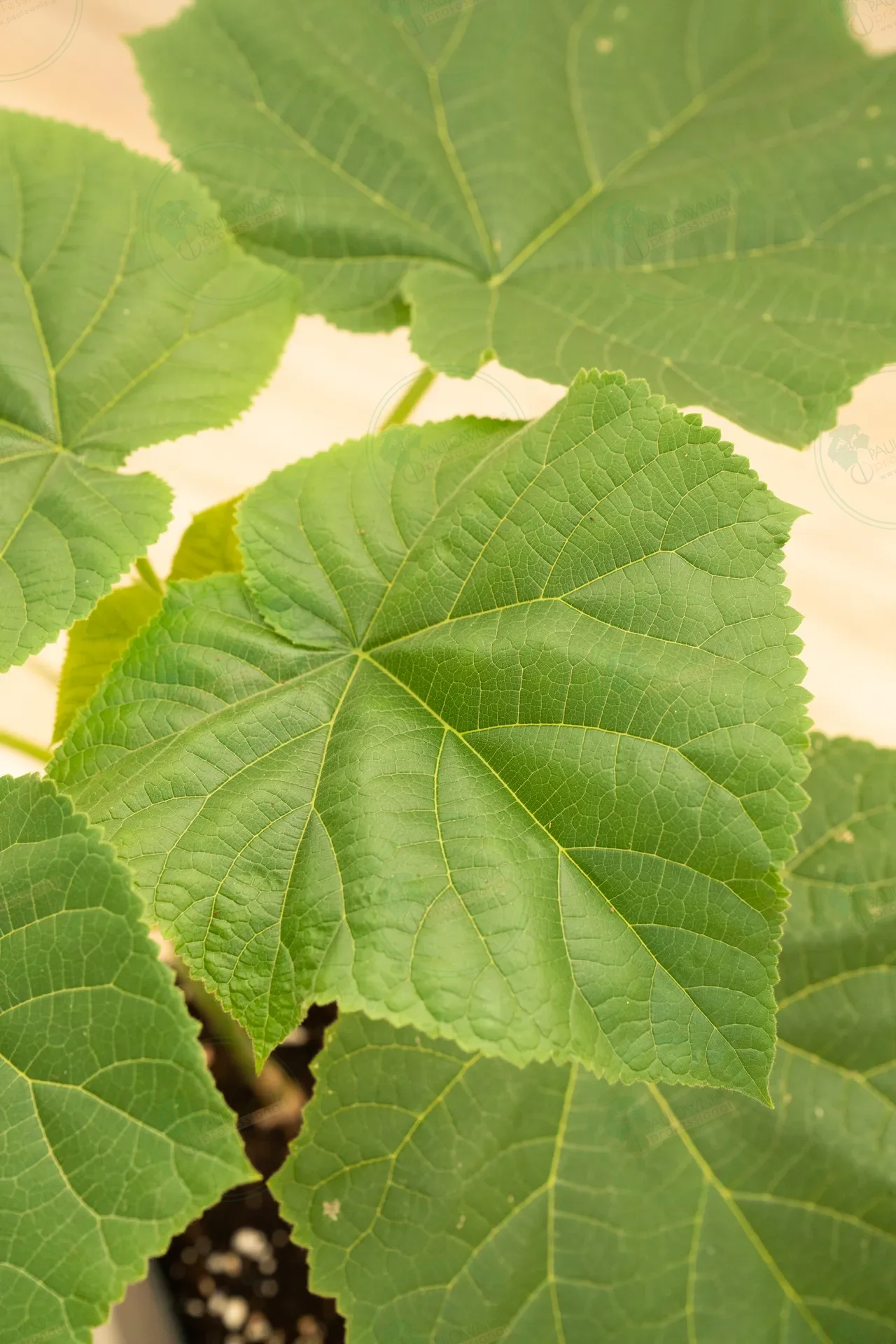
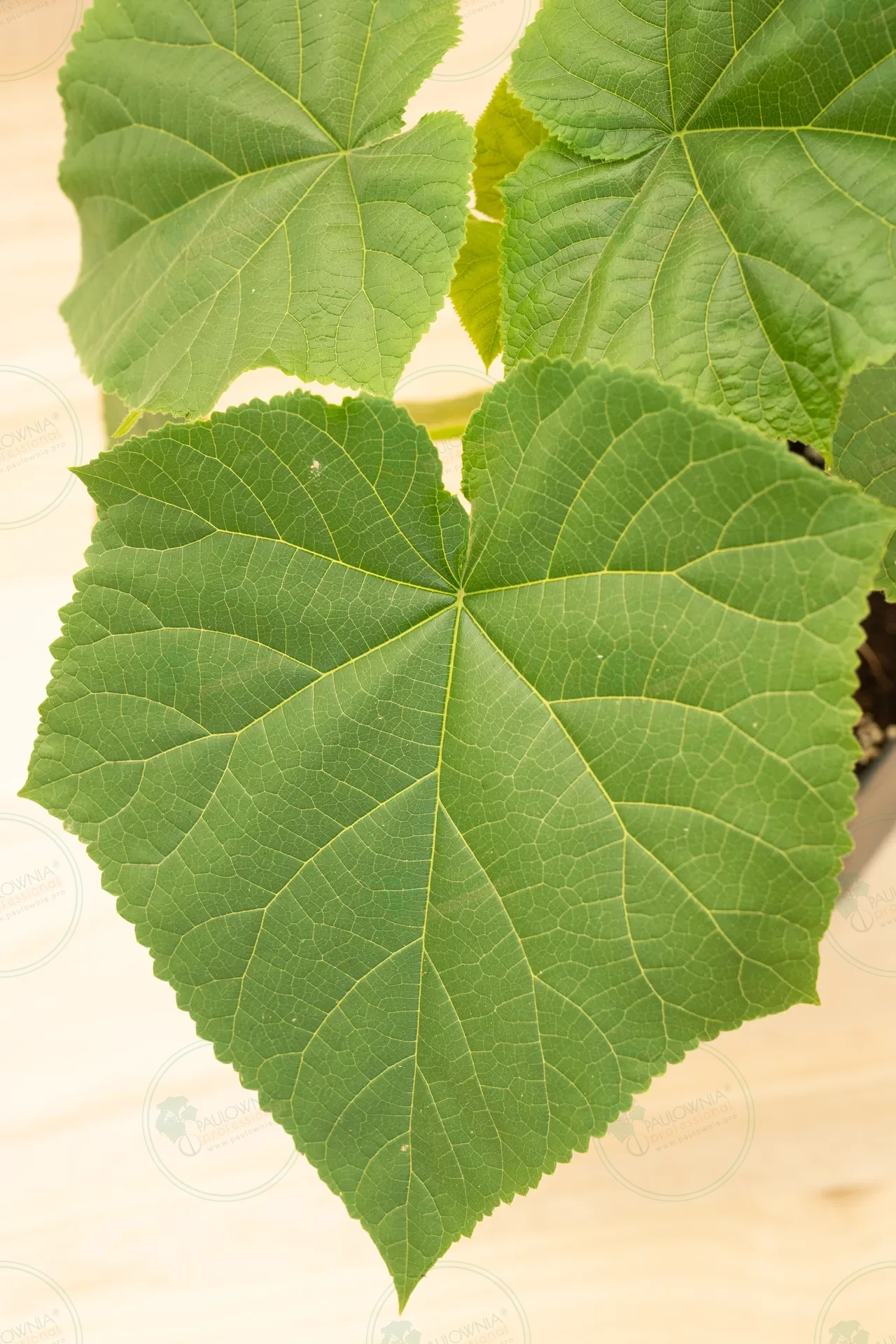
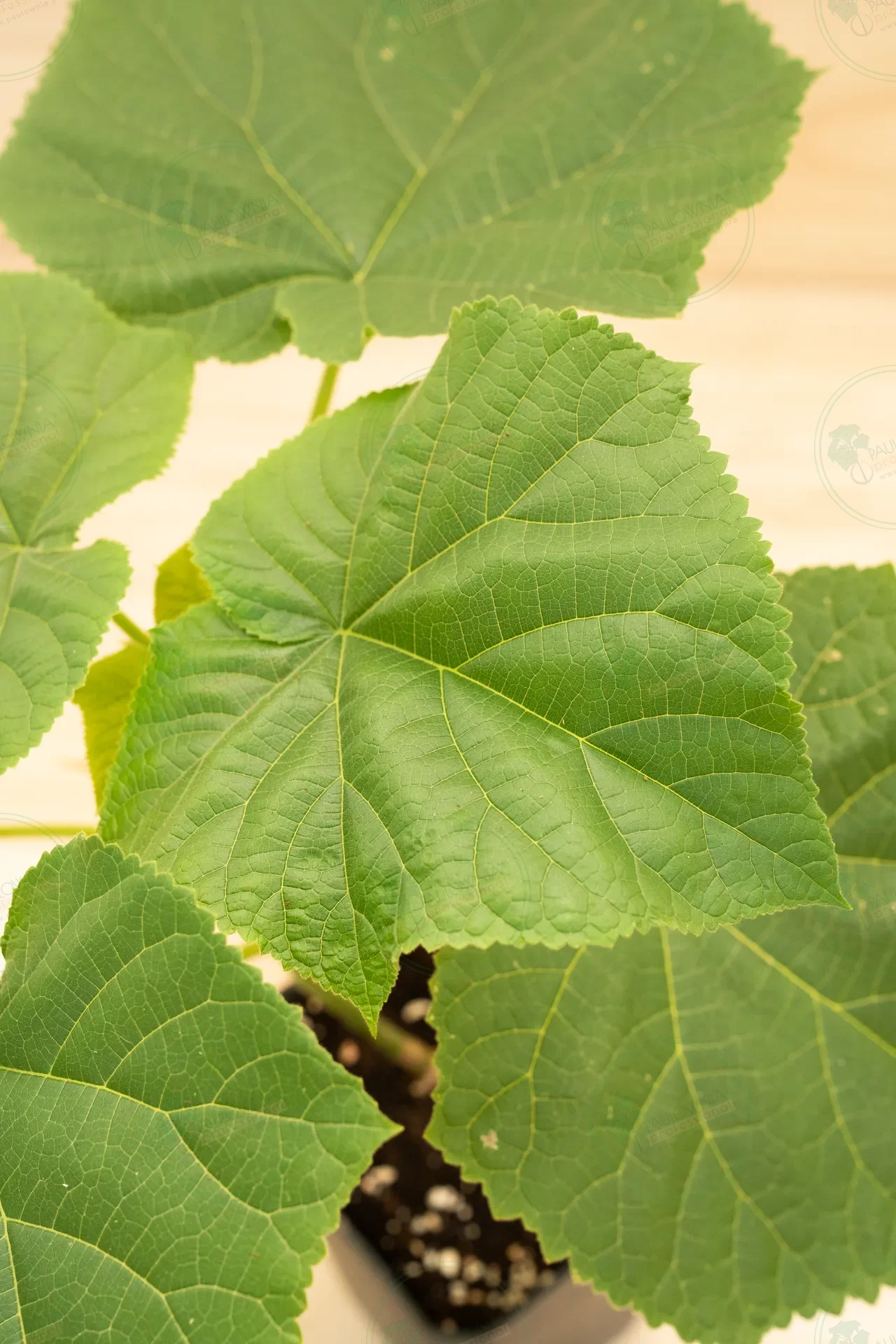
On young trees, very pointed pentagonal leaves (40 – 100 cm); on adult trees, heart-shaped leaves (20 – 40 cm)
Adaptability
High adaptability
Growth
Powerful hybrid, firm growth and high yield.
Crown
Broad and pyramidal, large photosynthetic surface
Bark
Greyish-brown tone
Root
Deep and anchor-shaped, provides stability
Flowering
Large bell-shaped flowers up to 10 cm in length, of purple colour, with diffuse violet spots inside
Young
Very pointed pentagonal leaves 40 – 100 cm
Adult
Heart-shaped leaves 20 – 40 cm
Flower color
Purple outside, with small blurry violet spots inside
 Cultivation
Cultivation Conditions
Proxy2®. It is an advanced hybrid P. Fortunei × P. Elongata. Supplied in an individual 3.6 L pot, with protected roots and a more advanced plant. Delivery: check moisture and plant condition on arrival; keep roots protected and prepare deep, loose and drained soil before planting.
Growing Zones
Suitable for temperate, mild Atlantic, Mediterranean and coastal areas with moderate humidity. It can be used in Portugal, the French Atlantic coast, northern and eastern Spain, coastal Italy, Croatia, Slovenia, Greece, coastal Balkan areas and temperate zones where irrigation and wind exposure are controlled.
Site and Position
Preferably full sun, with deep, aerated and drained soil. In professional plantations, prioritise correct spacing, weed control, support irrigation and stem training from the first cycle.
Melliferous Value
Its flowering can support beekeeping in mixed estates, plantation edges and agroforestry projects. It is interesting when production, green cover and pollinator activity must work together.
Irrigation
Moderate regular irrigation during establishment. Keep the substrate moist, not soaked; never leave pots or trays standing in water to avoid root suffocation.
Aroma and Flowering
Abundant flowering in purple and pale tones, interesting for bees and pollinators. It adds melliferous value while keeping a productive profile.