


 Stock
Stock- (+34) 642787555
- info@paulownia.pro
-
Mon–Fri: 9:00-18:00
Paulownia Turbo Pro® – Tree 2 m
Turbo Pro®












 Stock
StockAvailable for reservation
 SKU
SKUTPRO-TREE-200
Min. Mainland Spain & Portugal
2 pcs.
Min. EU
100 pcs.
Min. INTERNATIONAL (Outside the EU)
1000 pcs.
Variety and format
species / hybrid
Turbo Pro®


Select quantity
 14.08€ - 16.00€
 Minimum order: 2 pcs.
Format
Tree
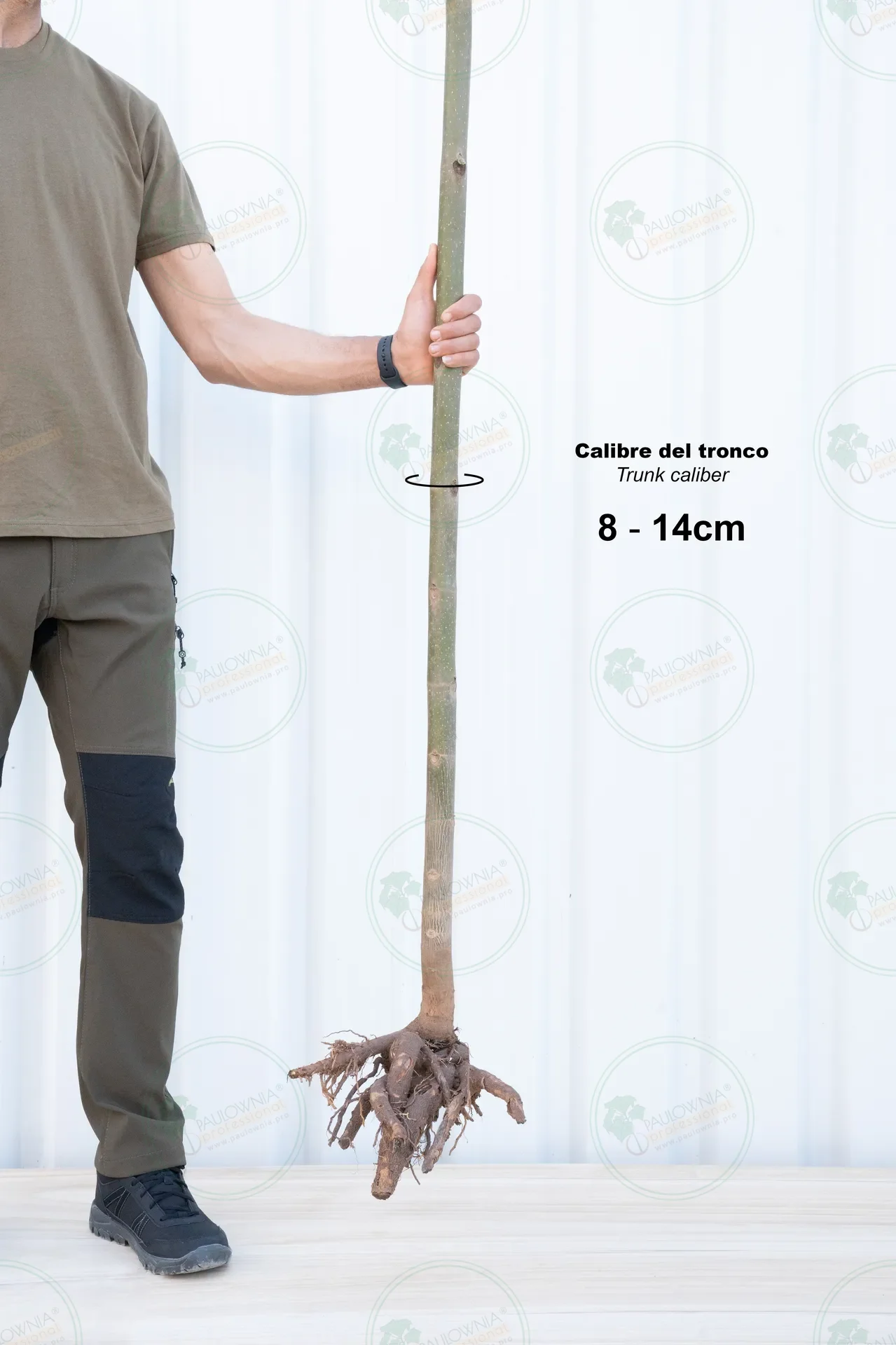
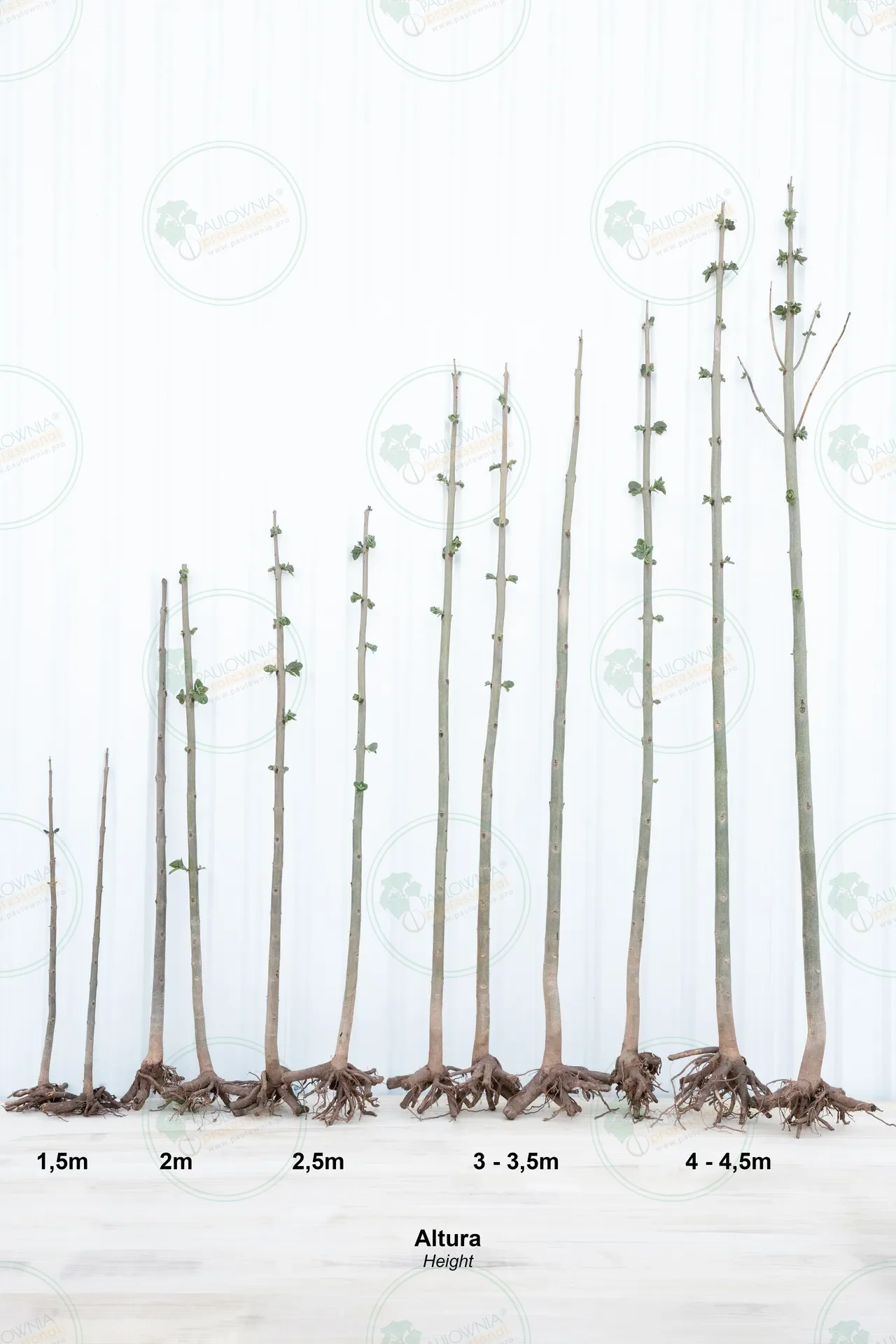
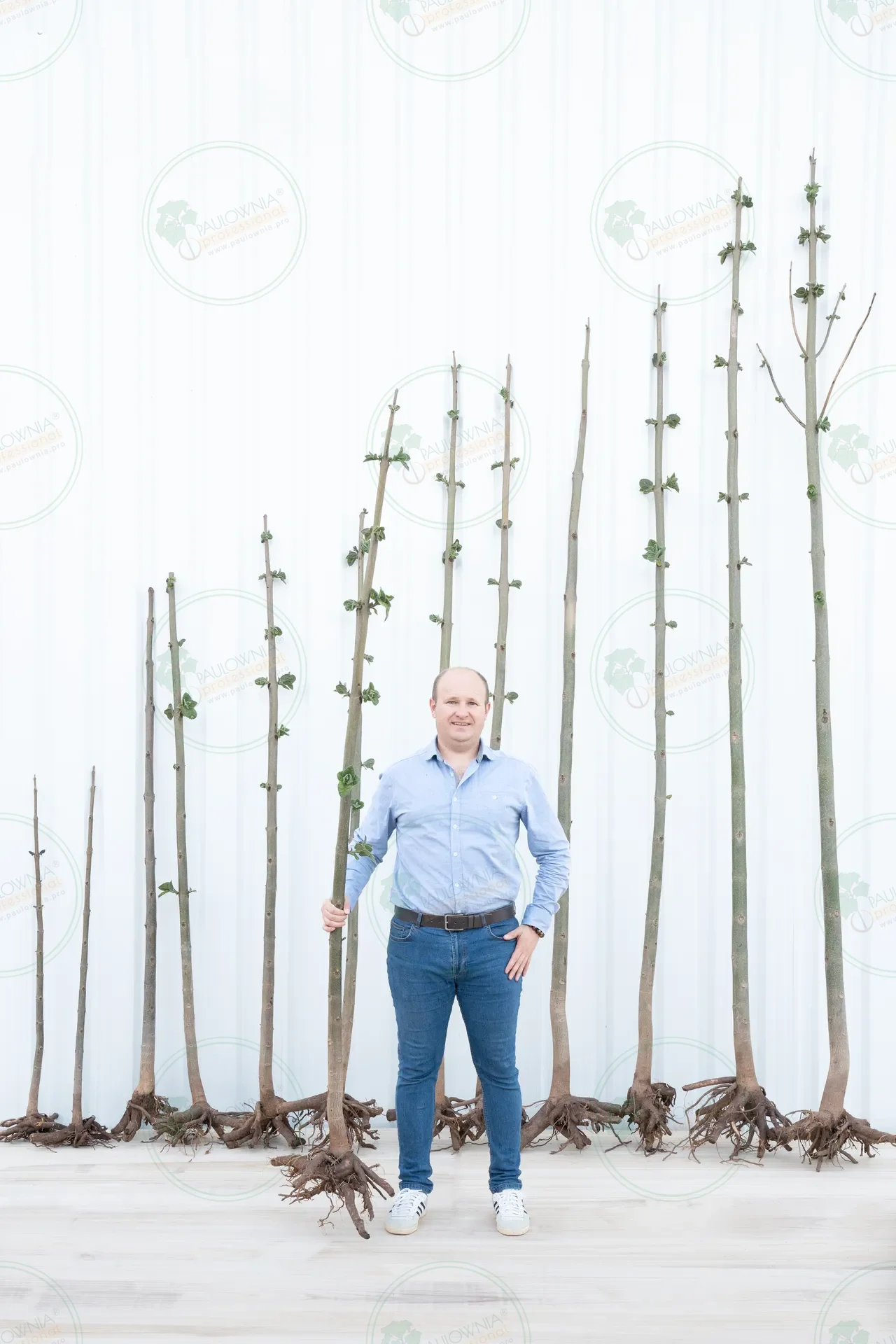
Tree height with root
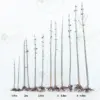
2 m
Species / Hybrid
Turbo Pro®
Age
1 – 2 years
Adult height
18–20 m
Wind resistance
High
Growth rate
10/10 Ultra-fast
Temperature resistance
Withstands from –22 °C to +52 °C
Delivery season
Autumn – Winter
Delivery months
November – March
 Description
Paulownia Turbo Pro®
Format
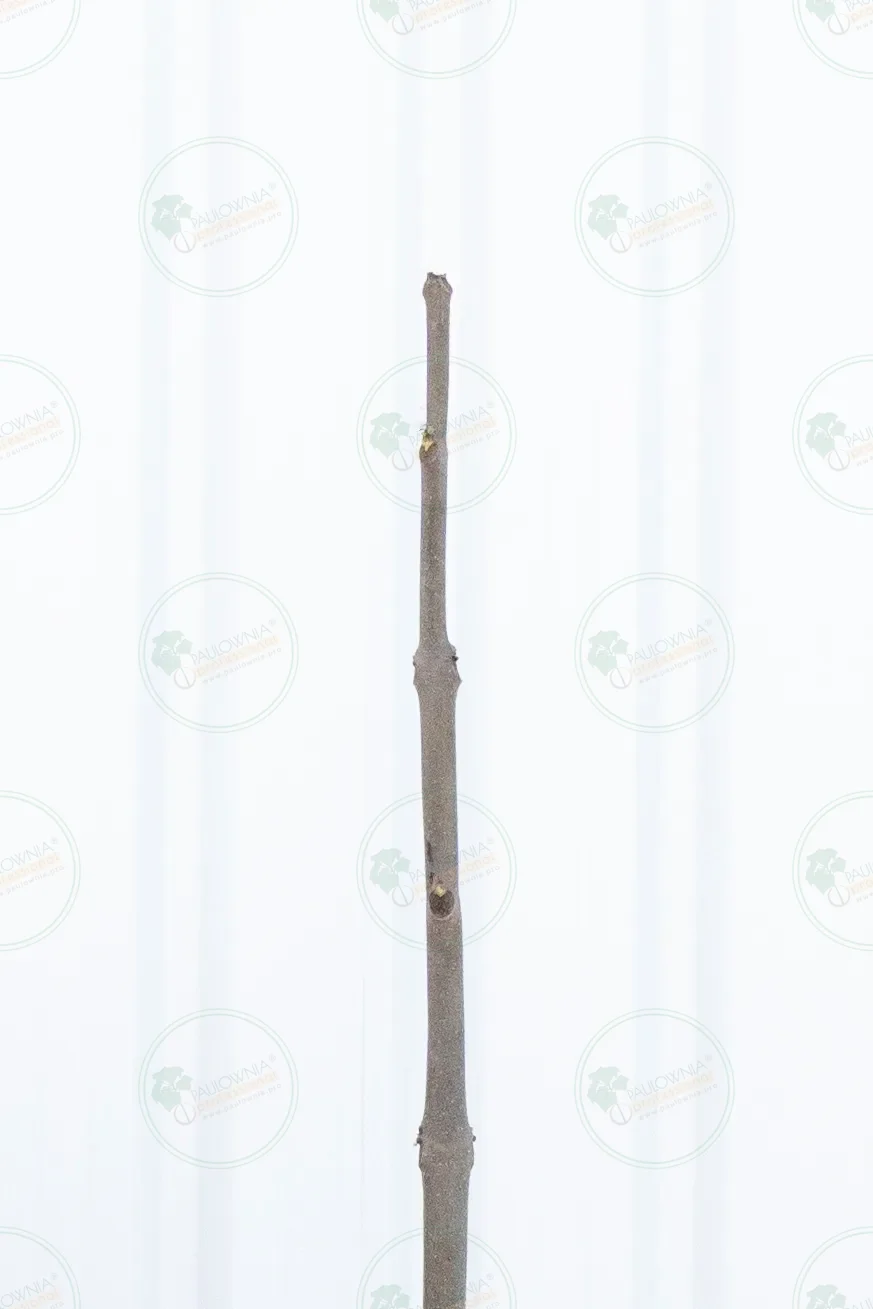
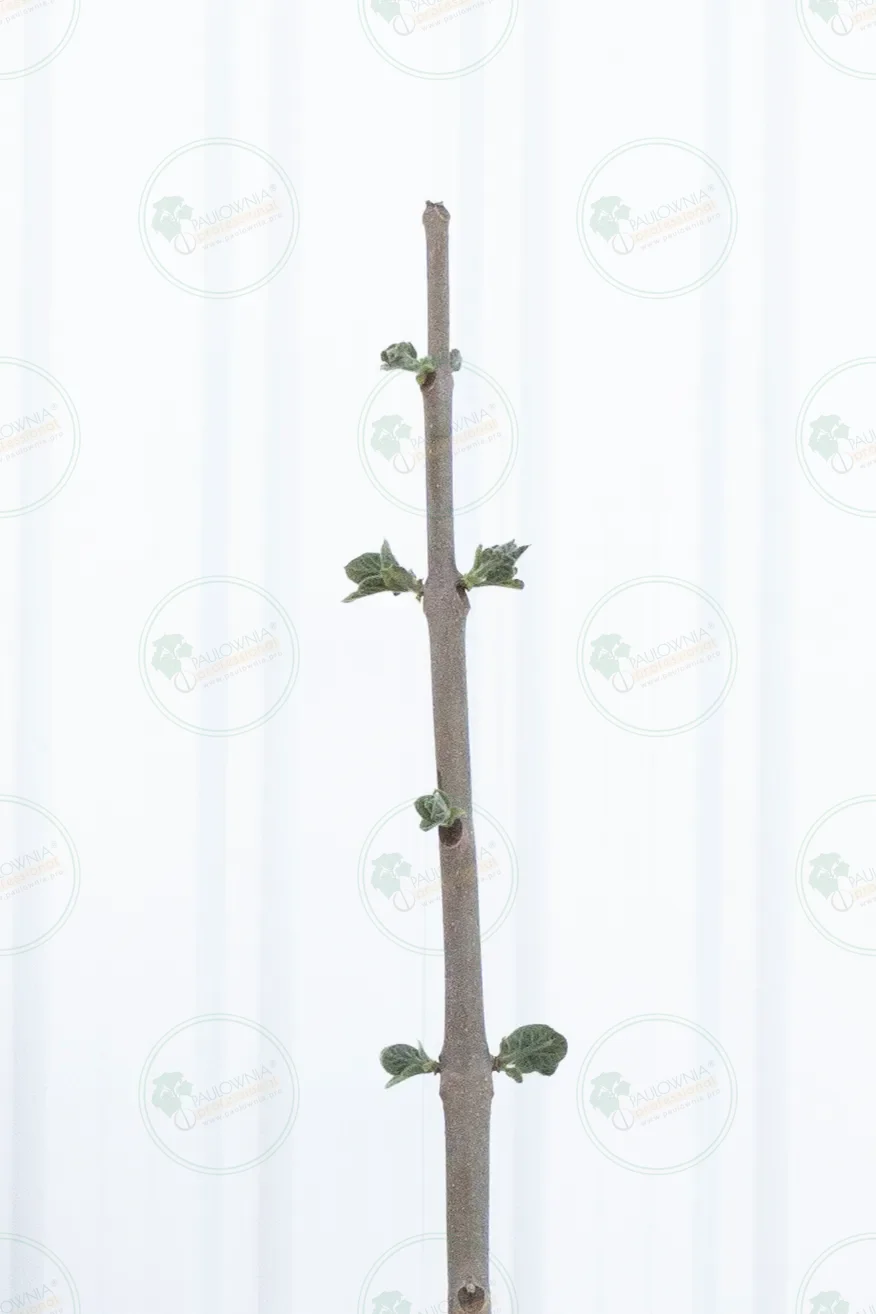
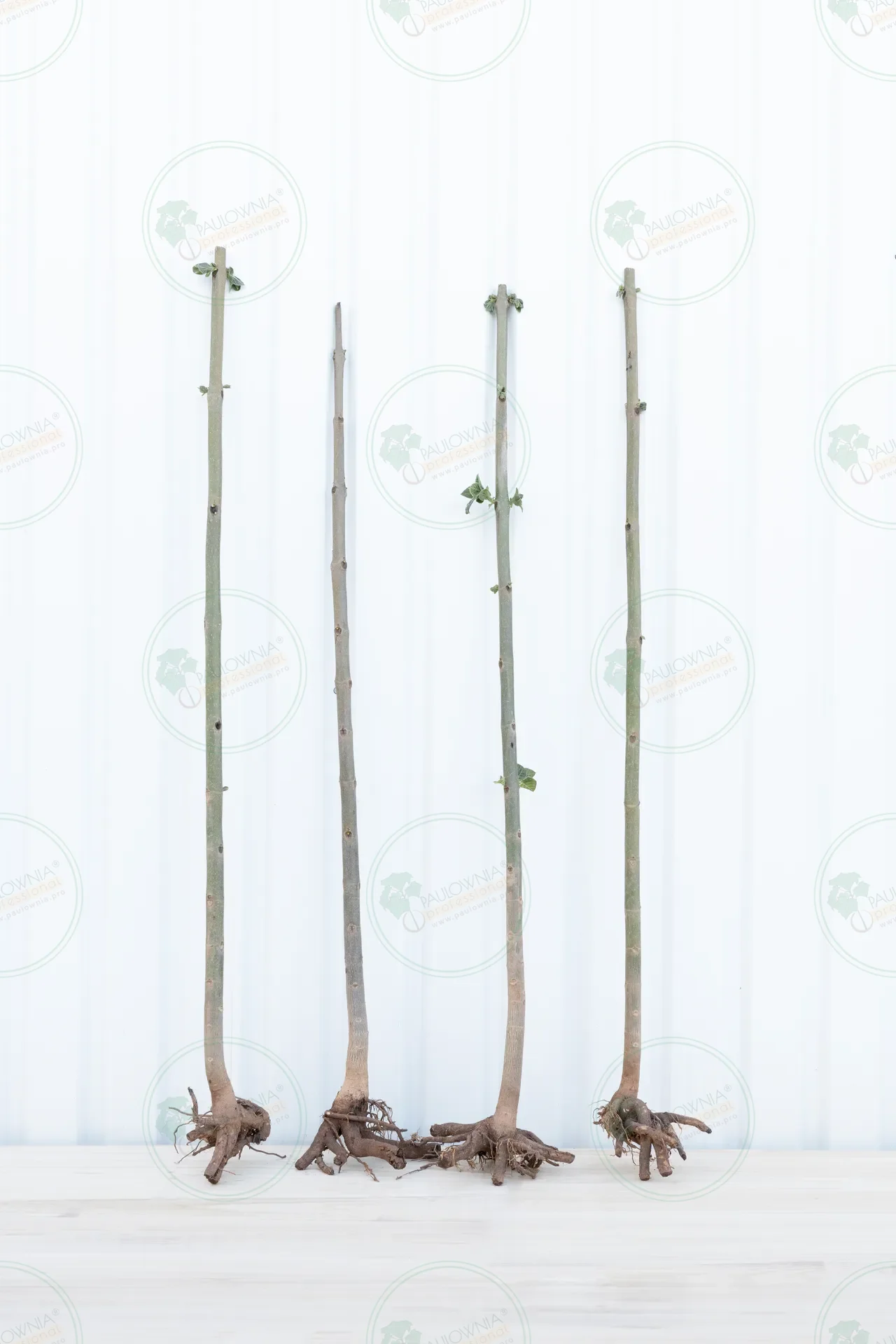
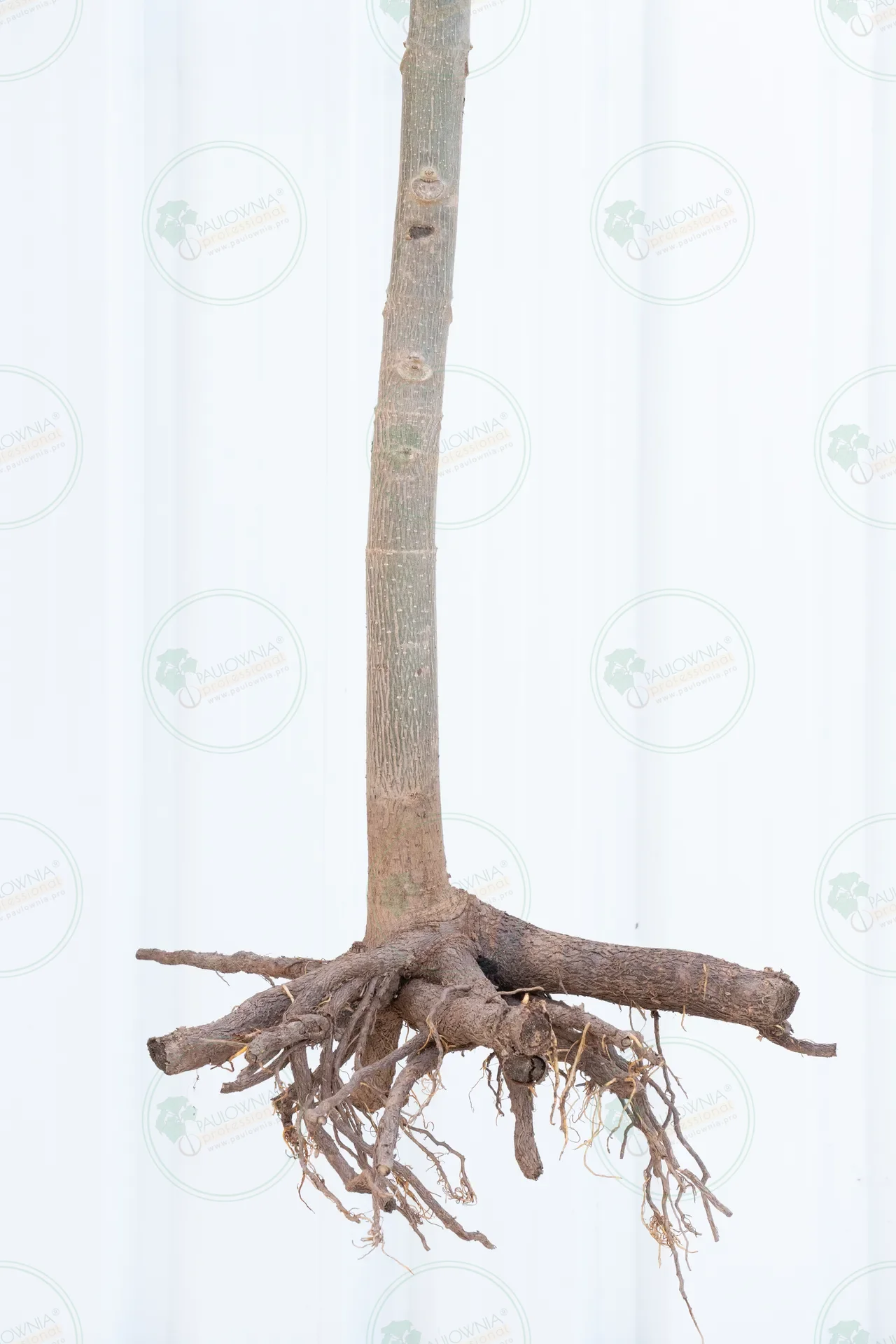
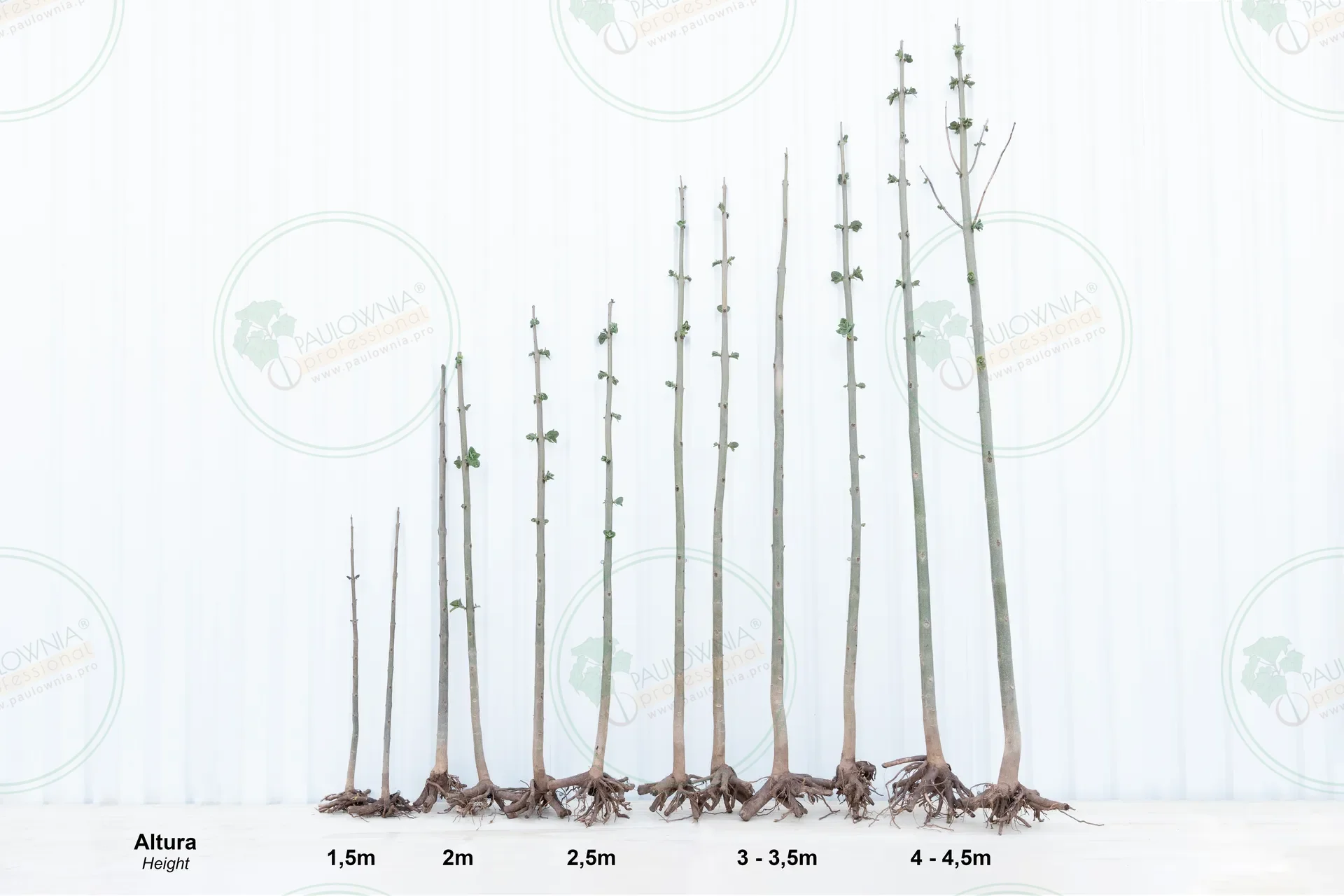
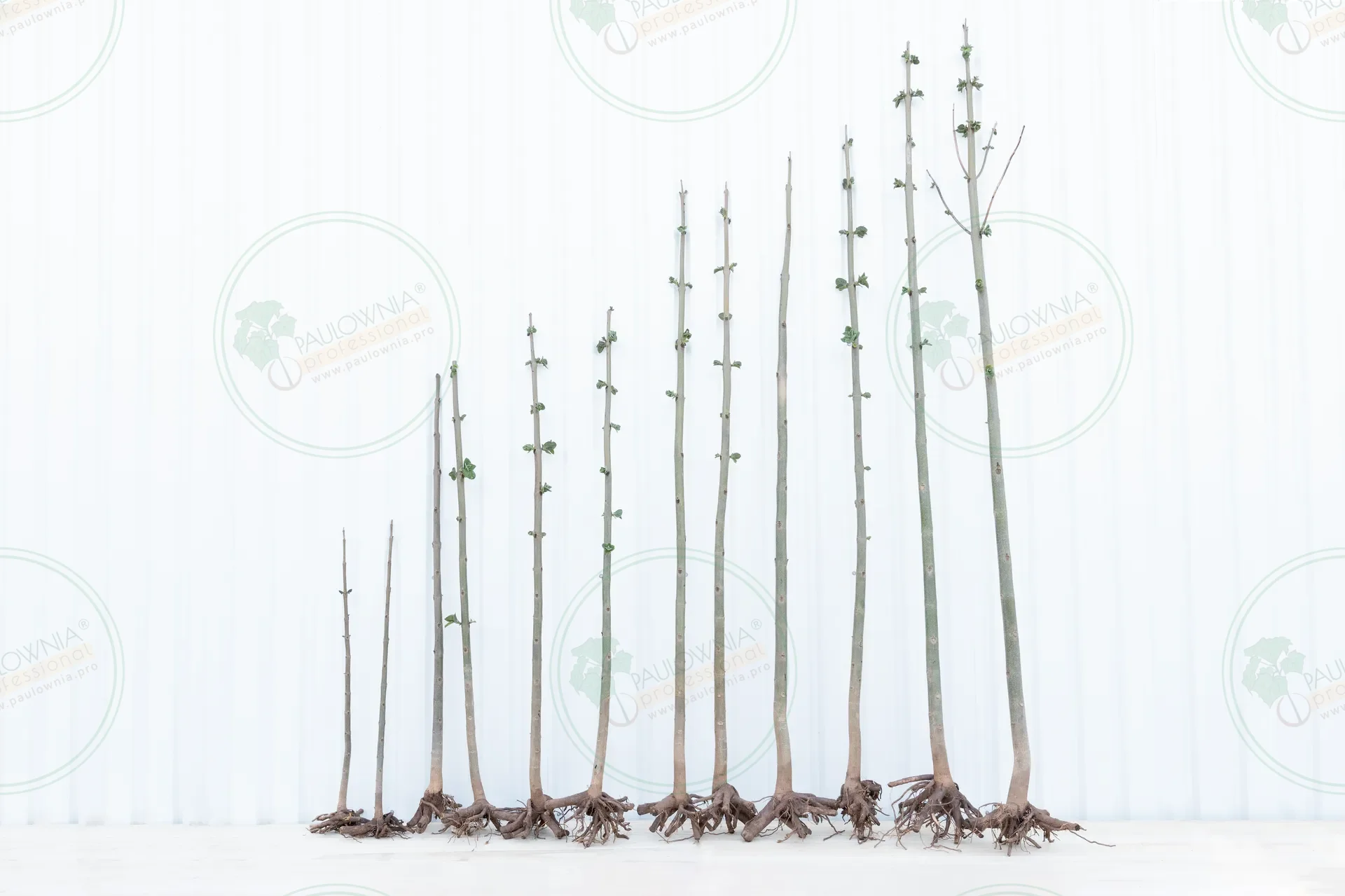
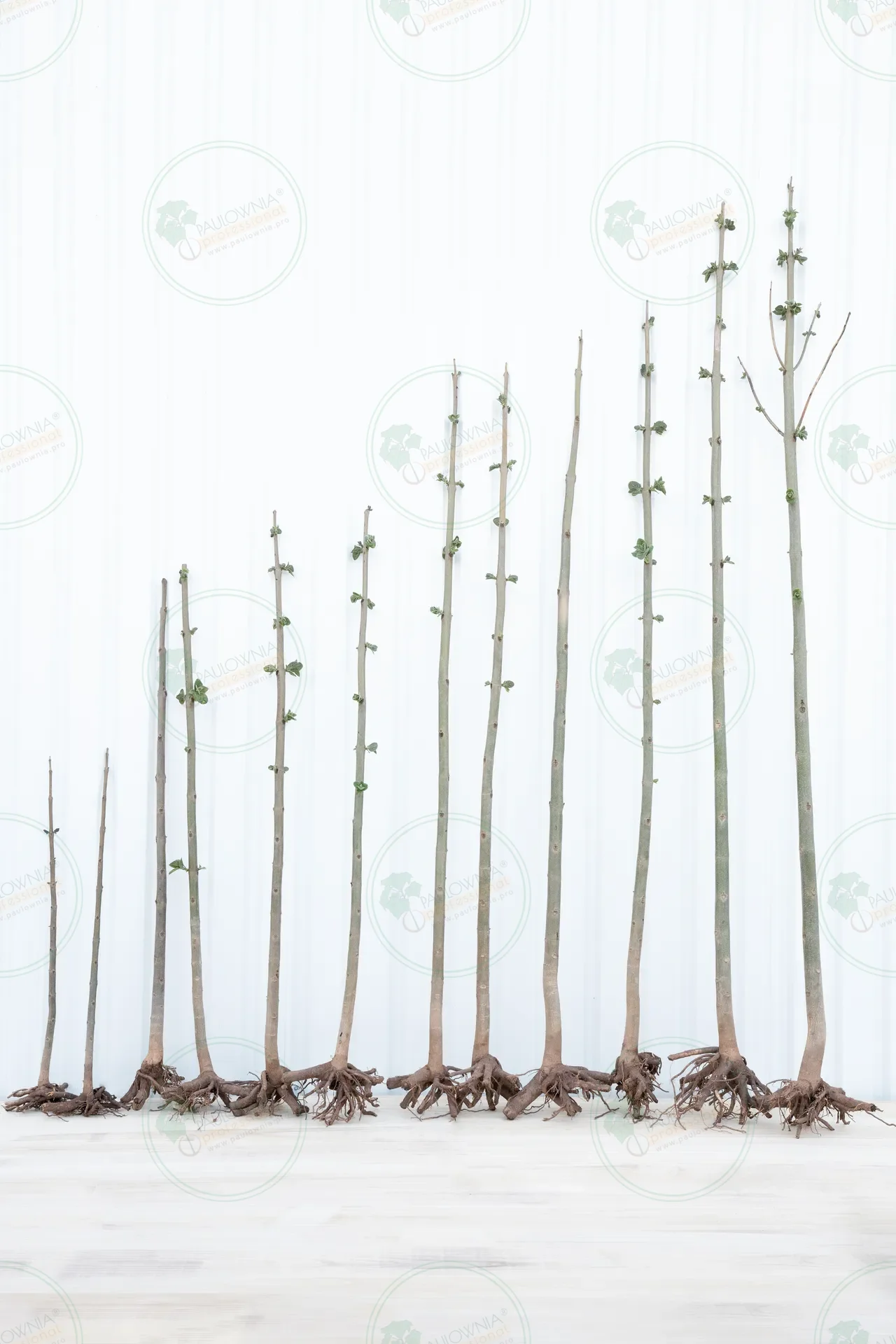
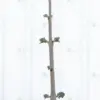
Bare-root treePaulownia Turbo Pro® – Tree 2 m is a bare-root Paulownia tree, already formed, with lignified stem and root system selected for transplanting. It is an advanced triple hybrid P. Fortunei × P. Tomentosa × P. Elongata.
Format and Supply
Supplied bare-root and planted as soon as possible after delivery. The purpose of the format is to protect the roots during transport and support orderly planting, with clear, identifiable and manageable plant material from delivery.
Variety and Application
Turbo Pro® is an advanced triple hybrid: professional variety with very fast growth, high vegetative vigour and strong response in well-managed plantations. It is mainly intended for light timber, biomass, CO2 capture projects, agronomic trials and industrial Paulownia plantations. It can also be used in large ornamental spaces when a powerful, fast-developing tree is required.
Main Use
light timber, biomass, professional plantations, CO2 capture projects, agronomic trials and technical Paulownia cultivation. Format choice depends on project size, transport distance, planting season and the development level required on delivery.
Climate and Site
Suitable for Mediterranean, mild Atlantic, warm-temperate, mild continental and warm areas. In northern Spain, Portugal, France, Belgium, the Netherlands/Holland and England it can grow with exceptional vigour even without a predefined irrigation system when soil moisture is naturally available and the plantation is well prepared. For carbon dioxide absorption and biomass projects it is also very interesting in Italy, Greece, the Balkan countries, Romania, Bulgaria, Saudi Arabia, the United Arab Emirates, Oman, Egypt, Libya, Azerbaijan, Uzbekistan and Africa in general, provided water availability and technical management are secured. It tolerates high-moisture episodes and temporarily heavy soils better than many lines, but should not be grown with permanent standing water.
Flowering and Ornamental Value
Purple-violet bell-shaped flowering with melliferous value and visual presence when the tree reaches maturity. The main interest is productive, but flowering also supports biodiversity and ornamental appeal.
Expected Result
With prepared soil, support irrigation and correct early management, it allows the establishment of a vigorous, well-rooted Paulownia aligned with the real project objective.
Certifications and registrations
European CPVO registration
Nº 2020/0003
Brand patent
M4034686
MINAGRO registration
Nº 20649003
MINAGRO plant variety patent
Nº 200780
 Characteristics
Species / Hybrid
Turbo Pro®
Hybrid
P. Fortunei × P. Tomentosa × P. Elongata
Height
Reaches between 18 and 20 metres at maturity
Root system
Deep and anchor-shaped
Trunk diameter
50–65 cm
Stem
Straight, powerful and with good wind resistance.
Water requirement
Viable rain-fed (≥800 mm/year) and irrigated
Crown / flowering
Broad and pyramidal
Foliage
Pentagonal leaves (young) / heart-shaped (mature); 40 – 70 cm (young) and 20 – 40 cm (mature)
Adaptability
High
Growth
Very powerful, up to 1 m/month and up to 6 m in the first year
Crown
Broad and pyramidal, large photosynthetic surface
Bark
Greyish-brown tone
Root
Deep and anchor-shaped, provides stability and wind resistance
Flowering
Large bells of purple colour (8 – 10 cm), with diffuse internal spots and two very visible yellow stripes; it provides a strong ornamental appeal and great interest for pollinators
Young
Very large pentagonal leaves 40 – 70 cm
Adult
Heart-shaped leaves 20 – 40 cm
Flower color
Purple outside, with violet spots and two distinct yellow stripes inside.
 Cultivation
Cultivation Conditions
Turbo Pro®. It is an advanced triple hybrid P. Fortunei × P. Tomentosa × P. Elongata. Supplied bare-root and planted as soon as possible after delivery. Delivery: check moisture and plant condition on arrival; keep roots protected and prepare deep, loose and drained soil before planting.
Growing Zones
Suitable for Mediterranean, mild Atlantic, warm-temperate, mild continental and warm areas. In northern Spain, Portugal, France, Belgium, the Netherlands/Holland and England it can grow with exceptional vigour even without a predefined irrigation system when soil moisture is naturally available and the plantation is well prepared. For carbon dioxide absorption and biomass projects it is also very interesting in Italy, Greece, the Balkan countries, Romania, Bulgaria, Saudi Arabia, the United Arab Emirates, Oman, Egypt, Libya, Azerbaijan, Uzbekistan and Africa in general, provided water availability and technical management are secured. It tolerates high-moisture episodes and temporarily heavy soils better than many lines, but should not be grown with permanent standing water.
Site and Position
Preferably full sun, with deep soil and aerated structure. It tolerates moisture and temporary heavy soil better than many varieties, but professional cultivation should avoid permanent standing water and ensure functional drainage.
Melliferous Value
In productive plantations, mature flowering can provide an additional nectar source for bees and pollinators. It is not presented as a primarily ornamental variety, but it adds biodiversity and beekeeping value to timber cultivation.
Irrigation
Hydrate roots if transport has been long, plant promptly and apply deep settling irrigation. During the first weeks, maintain regular moisture without waterlogging.
Aroma and Flowering
Purple-violet bell-shaped flowering with melliferous value and visual presence when the tree reaches maturity. The main interest is productive, but flowering also supports biodiversity and ornamental appeal.